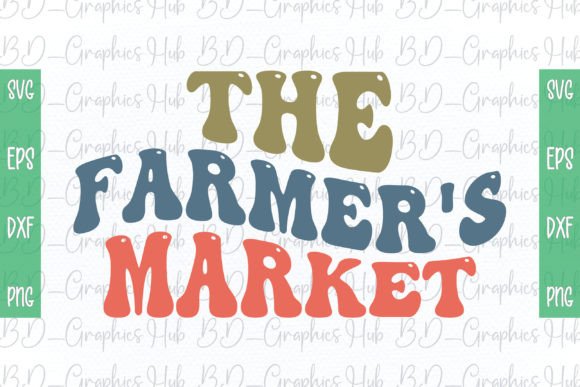
The Farmer s Market Retro SVG Review
As a designer who spends more time looking at stitch lines than actual fabric, I have developed a specific eye for what translates well from screen to needle. When I first pulled up The Farmer s Market Retro SVG, my initial reaction was one of cautious optimism. The retro aesthetic is undeniably popular right now, but that popularity comes with a trap: many designs look cute on a monitor but fall apart when subjected to the tension and friction of an embroidery machine. My goal here is not just to tell you what this file looks like, but to evaluate it as a practical asset for your craft business, personal projects, or client work.
First Impressions and Visual Personality
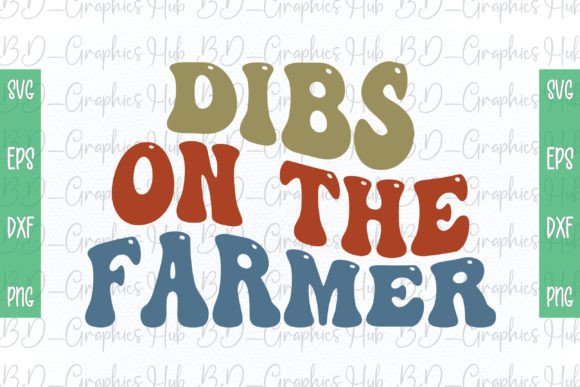
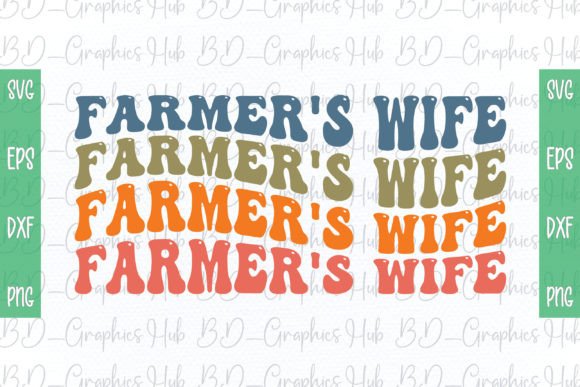
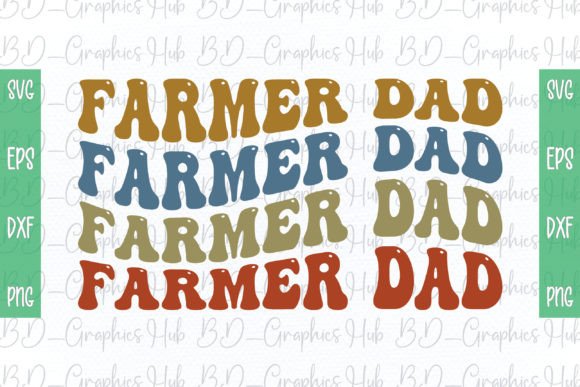
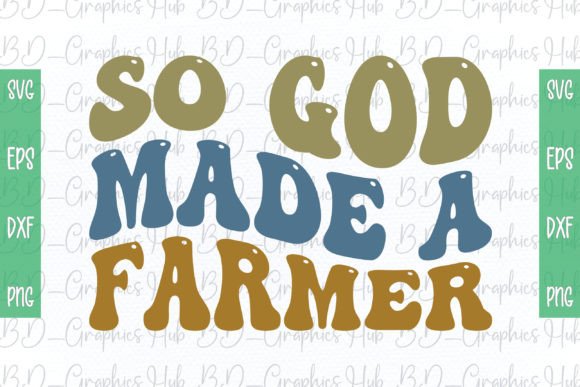
The moment you open the ZIP folder containing The Farmer s Market Retro SVG, the design’s personality shines through. It captures that nostalgic, mid-century modern vibe that is currently dominating home decor and apparel trends. The shapes are clean, the lines are bold, and the overall composition feels balanced without being cluttered. For an embroidery project, this balance is critical. If a design is too intricate, it risks becoming a muddy mess of thread; if it is too simple, it can feel cheap. This design strikes a middle ground that suggests it will hold its shape well during stitching.
The theme itself—evoking fresh produce, local markets, and wholesome living—gives it a broad appeal. It feels warm, inviting, and grounded. This makes it an excellent candidate for handmade product lines that focus on sustainability, farm-to-table aesthetics, or cozy home vibes. Visually, the layout suggests it could work beautifully as a centered chest placement on a garment or as a focal point on a kitchen textile. However, the "retro" style often relies heavily on color blocking rather than complex shading, which is a huge plus for machine embroidery where gradients can be difficult to execute cleanly.
Real-World Application: The Tote Bag Test
To truly judge an embroidery file, you have to imagine it in use. Let’s say you are preparing a custom order for a local boutique that specializes in eco-friendly goods. They want a line of sturdy canvas tote bags featuring a market-themed graphic. You decide to test The Farmer s Market Retro SVG on a natural, unbleached cotton canvas.
Because the design likely utilizes solid shapes, it performs exceptionally well on textured fabrics like canvas or denim. The bold outlines prevent the design from getting lost in the weave of the material. Unlike delicate floral patterns that might disappear into the texture of a heavy jacket, this retro graphic stands out. It creates a strong visual anchor. For an Etsy seller or small shop product creator, this reliability is key. You want designs that are forgiving enough to handle slight variations in user tension but detailed enough to justify a premium price point.
Furthermore, this design has high giftability. Imagine it embroidered on a thick, fleece-lined sweatshirt for a holiday gift. The retro colors would pop against a deep forest green or mustard yellow background. It feels personal yet stylish, hitting the sweet spot between a generic store-bought item and a deeply sentimental, hand-made piece. This versatility is why it fits so well into a portfolio of design assets aimed at creative entrepreneurs.
Technical Considerations and Stitch Clarity
While the visual appeal is strong, we must talk about the mechanics. Any experienced embroiderer knows that stitch density is the difference between a professional finish and a puckered disaster. Without seeing the exact digitization code, I advise you to inspect the fill stitch areas closely. Retro designs often use large blocks of color. If the fill is too dense, the fabric will pucker, especially on lightweight materials. If it is too sparse, the backing material might show through, giving a patchy appearance.
You should also pay attention to the satin stitch edges. In a retro style, borders are often used to define shapes. These need to be smooth and consistent. Look for any jagged transitions or overlapping stitches that might catch on other garments in packaging. Additionally, check the running stitch details if present. Thin lines can break easily if the thread tension is off or if the stabilizer isn't adequate.
This brings us to the importance of the stabilizer. Because this design has a somewhat substantial footprint, you cannot rely solely on tear-away stabilizer for heavier fabrics. A cut-away stabilizer is often recommended for permanent durability, especially for items like custom apparel or embroidered patches that will undergo frequent washing. For lighter items like tea towels, a quality tear-away might suffice, but always test first.
Where to Exercise Caution
There are specific scenarios where The Farmer s Market Retro SVG might struggle. Avoid using this design on highly stretchy knits without proper hooping techniques, as the retro geometry might distort under tension. Similarly, be wary of attempting this on very small hoop sizes. If the design contains tiny text or fine decorative accents, shrinking it down may render those details indistinguishable after stitching. Dark fabrics can also pose a challenge; if the design relies on light thread colors for contrast, ensure you have enough underlay stitching to make those colors opaque. Testing on scrap fabric is non-negotiable in these cases.
Impact on Brand and Customer Trust
For the craft business owner, the quality of your embroidery directly impacts customer trust. A poorly stitched logo or graphic can make a brand look amateurish. Conversely, a crisp, well-executed design like this retro market graphic signals professionalism. It shows that you care about the details. When customers receive a finished product with clean lines and vibrant threads, they are more likely to leave positive reviews and recommend your shop to others.
This design also aids in brand consistency. Its vintage charm aligns well with brands that value authenticity and nostalgia. Whether you are creating holiday embroidery collections or year-round personalized gifts, this file can serve as a versatile staple. It allows you to maintain a cohesive aesthetic across different product types, from tote bag design variations to apron embroidery.
Final Designer Notes
Before you upload The Farmer s Market Retro SVG to your machine for production, take these steps:
- Test on Scrap Fabric: Always run a test stitch on the actual fabric you plan to use. This reveals how the thread colors interact with the material and whether the hoop size accommodates the design comfortably.
- Check Contrast: View your design in black and white mockups to ensure the shapes remain distinct even if color perception varies.
- Verify Licensing: Since this is a digital download, confirm the license terms. Are you allowed to sell the finished physical items? Is there a limit on the number of units? This is crucial for commercial embroidery projects.
- Inspect Small Details: Zoom in on the digital file. Are there any isolated pixels or tiny elements that won't translate well to thread?
In conclusion, The Farmer s Market Retro SVG appears to be a robust, visually appealing choice for a wide range of applications. Its strength lies in its clear shapes and nostalgic mood, which translate well to various textiles. By paying attention to stitch density, stabilizer choice, and fabric compatibility, you can turn this digital file into a stunning handmade product that resonates with customers and elevates your craft business.