So God Made a Farmer Retro SVG Review
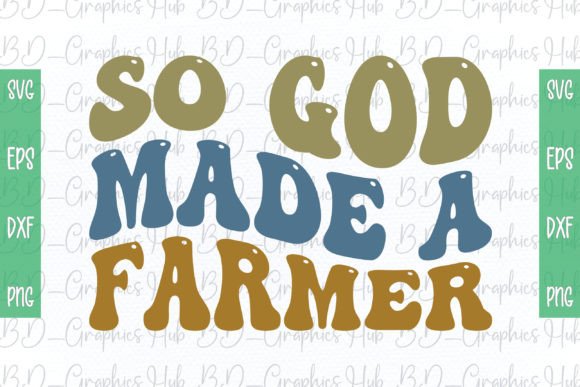
When I approach a new digital asset for my embroidery studio, I am rarely interested in just the visual appeal. My primary concern is always execution: How will this stitch? Will it hold up after twenty washes? Does it translate well from a screen to fabric? Recently, I pulled So God Made a Farmer Retro SVG from the Crafts and Graphics category to evaluate its potential for real-world application. This is an instant download cutting file compatible with many different cutting software machines like Cricut and Silhouette, delivered in a ZIP folder that includes various formats. While marketed as a cutting file, its graphic nature makes it an excellent candidate for digitization or direct applique work, provided you understand its limitations and strengths.
First Impressions and Visual Personality
The moment you open the file, the retro aesthetic jumps out. The typography and layout evoke a nostalgic, vintage farm vibe that feels authentic rather than forced. For an embroidery designer, the clean lines and bold shapes are a relief. Too often, "retro" designs become cluttered with unnecessary flourishes that turn into stitching nightmares. Here, the design relies on strong contrast and clear silhouettes. It feels grounded, sturdy, and approachable. This visual personality naturally belongs to rustic-themed projects, agricultural branding, and heartfelt personal gifts. It doesn’t scream for attention; instead, it offers a quiet confidence that works beautifully in handmade product collections.
Real-World Application: The Custom Tote Bag Scenario
To truly test this design, I moved beyond theory and simulated a common small business order: a custom embroidered tote bag for a local farmers market vendor. The client wanted something durable, recognizable, and aligned with their brand identity. Using So God Made a Farmer Retro SVG as the base, I considered how the design would perform on canvas fabric.
In this scenario, the design’s scalability was crucial. Because it is a vector-based cutting file, resizing it to fit a standard 5x7 inch hoop was seamless. When translated into an embroidery project, the thick outlines of the text allowed for generous coverage without becoming overly dense. On a natural-colored canvas tote, using earth-tone threads—mustard yellow, deep forest green, and burnt orange—the design popped without overwhelming the bag’s structure. Customers at craft fairs responded positively to the clarity of the message. It wasn’t just decoration; it felt like a statement piece that reinforced the wearer’s values. This level of recognition is vital for Etsy sellers and craft business owners looking to build brand consistency.
Performance Across Different Mediums
The versatility of this file extends beyond totes. I evaluated its potential across several other mediums common in the handmade product space:
- Sweatshirt Embroidery: The retro font style pairs exceptionally well with fleece or cotton-blend hoodies. The chunky lettering provides a nice texture against the soft fabric, making it ideal for custom apparel. However, care must be taken with the stabilizer to prevent puckering on heavier garments.
- Baby Embroidery: For onesies or burp cloths, the design can be scaled down effectively. The gentle, nostalgic theme fits perfectly in nursery decor or as a personalized gift for expecting parents in rural communities. The clean lines ensure that even when miniaturized, the text remains legible.
- Embroidered Patch: Converting this into an embroidered patch for denim jackets or caps is a strong commercial option. The solid shapes lend themselves well to satin stitch borders, creating a crisp, professional finish that stands out against rugged fabrics.
- Kitchen Textiles: Tea towels and aprons are another natural fit. The farmhouse aesthetic aligns with current trends in home decor. When stitched onto linen or cotton blends, the design adds a touch of warmth and character to everyday items.
Areas Requiring Caution and Adjustment
No design is perfect for every situation, and So God Made a Farmer Retro SVG has specific constraints that designers must respect. It is not suitable for every fabric type or project scale.
First, avoid using this design on highly textured or stretchy fabrics without proper stabilization. The clean lines of the retro font can distort if the fabric shifts during stitching. On dark fabrics, thread color contrast becomes critical. A light background thread might get lost in navy or black material, so always test your thread colors before committing to a large run. Similarly, on thin fabrics like lightweight jersey, the density of the design could cause transparency issues or stiffness, reducing the comfort of the final garment.
Another area to watch is small detail reproduction. While the main elements are bold, any tiny decorative accents within the design may disappear if the hoop size is too small. Always inspect small details closely. If you plan to use this for commercial embroidery on curved surfaces like baseball caps, be mindful of the distortion that occurs around the crown. The design may need slight adjustments to maintain its intended shape when wrapped around a three-dimensional object.
Practical Designer Notes for Execution
Before adding this to your production workflow, there are several technical steps to ensure success. First, test the design on scrap fabric that matches your final material. This allows you to check stitch density and observe how the threads interact with the weave of the cloth. Review the applique design options if available; sometimes, combining fill stitches with applique can reduce bulk and improve durability, especially for larger pieces.
It is also wise to test the design in black and white mockups. This helps you evaluate the balance of positive and negative space without being distracted by color choices. Ensure you are using the correct stabilizer for your fabric weight—a cut-away stabilizer is generally recommended for woven bags and heavy garments to provide long-term support, while tear-away may suffice for lighter, single-use items.
Furthermore, verify whether the design works for both personal and commercial embroidery purposes. Licensing terms vary, and as a small shop product creator, you need to know if you are permitted to sell finished items made from this file. Confirm these details before listing your products on platforms like Etsy. Additionally, consider creating printable mockup images that showcase the design on various products. High-quality visuals help creative entrepreneurs attract buyers who cannot physically touch the item before purchasing.
Final Verdict on Design Value
Ultimately, So God Made a Farmer Retro SVG offers strong value for designers seeking a reliable, aesthetically pleasing asset. Its clear visual hierarchy and nostalgic charm make it adaptable to a wide range of embroidery files and design assets. It enhances the perceived quality of a finished product by adding a layer of thoughtful craftsmanship. Whether you are decorating a holiday gift, updating your boutique branding, or expanding your digital product offerings, this design provides a solid foundation. By paying attention to fabric choice, stabilization, and thread selection, you can transform this simple graphic into a professional, market-ready creation that resonates with customers and stands the test of time.