In My Coquette Era Retro Svg Embroidery Review
As a designer who spends half my life digitizing and the other half stitching, I have learned to look past the flashy preview images on digital marketplaces. When I first pulled up In My Coquette Era Retro Svg, my immediate reaction was less about the trendiness of the aesthetic and more about its practical application in a physical embroidery project. The "coquette" style—characterized by bows, soft curves, and a nostalgic, romantic flair—is everywhere right now, but translating that digital vibe into thread is where most designs fail. This review breaks down how this specific design holds up when it moves from screen to hoop.
The First Impression: Mood and Visual Personality
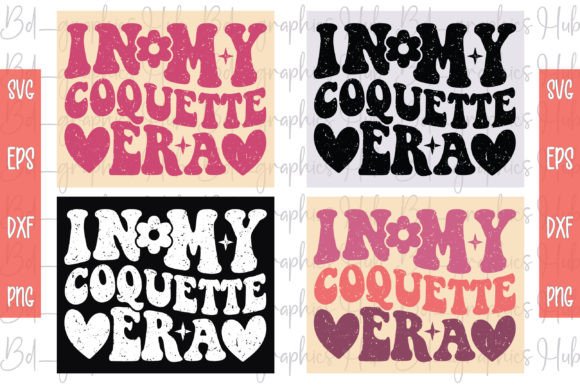
The moment you load the file, the mood is set. It is playful, feminine, and distinctly retro. Unlike some minimalist trends that feel cold or corporate, this design brings warmth and personality. For an embroiderer, visual personality is everything because it dictates how the customer feels when they hold the finished product. The layout appears balanced, which is crucial for maintaining symmetry during the stitching process. If the elements are too scattered, the eye gets lost; if they are too clustered, the fabric can pucker. From what I can see in the vector layers, the spacing here seems intentional, allowing each element room to breathe while still feeling cohesive.
This isn't just a generic clip-art bow. The retro styling suggests a vintage appeal that resonates with current fashion cycles, particularly among younger demographics who value nostalgia. For a small business owner or Etsy seller, this emotional connection is key. You aren't just selling a stitched object; you are selling a feeling of whimsy and charm. The design has a strong brand identity, making it easier to market as part of a curated collection rather than a standalone impulse buy.
Real-World Application: Where Does It Shine?
I put In My Coquette Era Retro Svg through a mental stress test based on common craft business scenarios. Here is where it truly excels:
- Custom Apparel: Imagine this placed on the chest of a cropped cardigan or the back of a baby onesie. The retro font and bow combination work beautifully on soft cotton blends. It adds a touch of sophistication to casual wear without being overpowering.
- Tote Bags and Market Bags: A canvas tote featuring this design immediately signals a boutique quality. It elevates a simple utility item into a fashion statement. The contrast between the sturdy canvas and the delicate embroidery details creates a nice textural interplay.
- Holiday Gifts and Nursery Decor: During peak gifting seasons, items like personalized aprons or pillow covers sell well. This design fits perfectly into themes of spring, Easter, or Valentine’s Day. It also works wonderfully in nursery settings, adding a sweet, timeless touch to a child’s room decor.
- Embroidered Patches: For those making detachable patches for denim jackets or backpacks, the self-contained nature of many coquette designs makes them ideal candidates. They are recognizable even at a smaller scale.
The versatility of this machine embroidery design means it can serve multiple revenue streams. Whether you are creating personalized gifts for individual clients or producing bulk small shop products for craft fairs, this design adapts well to different end uses.
Technical Considerations and Stitch Clarity
While the aesthetic is strong, we must talk about execution. The success of any embroidery file depends heavily on stitch density and detail resolution. In the coquette style, there is often a lot of fine detail—tiny lace-like patterns or thin ribbon tails. These areas require precise digitizing to avoid tangling or breaking thread.
When evaluating the satin stitch areas, which are likely prominent in the bows and lettering, ensure that the underlay stitches are sufficient to hold the top threads in place. If the stitch density is too high, the fabric will pucker, ruining the clean lines that make this design appealing. Conversely, if it is too low, the backing material might show through, giving a cheap appearance.
For best results, pay attention to the fill stitch regions. Retro designs often use textured fills to mimic vintage prints. Make sure your machine can handle the transition between these dense areas and the open spaces. Using a proper stabilizer is non-negotiable here. A cut-away stabilizer is recommended for stretchy fabrics like sweatshirts to prevent distortion, while a tear-away might suffice for stable cottons on tote bags.
Fabric and Thread Selection
The choice of thread colors will make or break this project. Because the design relies on a retro palette, using standard black thread might kill the mood. Opt for pastel pinks, creams, or muted golds to maintain the vintage feel. However, be cautious with light threads on dark fabrics; you may need a heavier underlay or a specific type of thread to ensure opacity.
Testing on scrap fabric is always my first step. I recommend running the design on the exact fabric you plan to use for the final product. Check how the fabric texture interacts with the stitches. On a smooth satin, the design will look crisp and glossy. On a rough linen or fleece, the details might get lost, requiring a simplification of the digitizing or a change in design placement.
Pitfalls to Avoid
Even a great design can fail if placed incorrectly. There are certain contexts where In My Coquette Era Retro Svg should be used carefully:
- Small Hoop Sizes: If you attempt to shrink this design too much, the fine details will become indistinguishable. Ensure your final product allows for adequate space. Tiny accessories like hair clips might not do justice to the complexity of the art.
- Curved Surfaces: While caps and hats are popular, the flat layout of this design might distort when wrapped around a curved brim. Consider placing it on the front panel where the surface is flatter, or adjust the digitizing to compensate for curvature.
- Dense Stitch Areas: Avoid placing heavy fill stitches directly over seams or zippers. This can cause needle breakage or uneven tension. Also, be mindful of washability; heavily stitched areas on garments that undergo frequent washing may wear out faster if not stabilized properly.
- Thin or Stretchy Fabrics: Without proper support, thin materials like silk or highly stretchy jersey can pucker significantly. Always use the right stabilizer for the job to maintain the integrity of the finished product.
Final Verdict for Designers and Sellers
Overall, In My Coquette Era Retro Svg is a strong contender for anyone looking to add a trendy yet timeless piece to their embroidery library. It strikes a balance between decorative flair and wearable simplicity. For the Etsy seller or craft business owner, it offers high perceived value due to its detailed and polished look. It translates well into commercial embroidery projects, meaning you can confidently list it in your shop knowing it will produce professional results.
However, remember that the file is just the starting point. Your skill in preparation, stabilization, and finishing touches determines the final outcome. Test thoroughly, choose your materials wisely, and let the design’s natural charm shine through. If you execute it well, this design has the potential to become a staple in your handmade collection, driving engagement and sales through its undeniable aesthetic appeal.
Before purchasing or downloading, always verify the specific file formats included in the ZIP folder to ensure compatibility with your software. Confirm licensing terms if you intend to sell the finished items commercially. With the right approach, this design is not just a cute graphic; it is a viable asset for building a reputable brand in the graphics and crafts niche.