Tiny Tornado Retro SVG Review
As a designer who spends more time staring at stitch density charts and fabric swatches than scrolling through social media, I approach every new digital asset with a mix of curiosity and skepticism. The market is flooded with generic clip art, but finding a design that balances aesthetic charm with technical viability for embroidery is rare. That is exactly why I pulled Tiny Tornado Retro SVG into my workflow this week. My goal was simple: determine if this graphic translates well from a screen to a needle, and whether it has the commercial punch needed for a small business or a meaningful personal gift.
First Impressions and Visual Personality
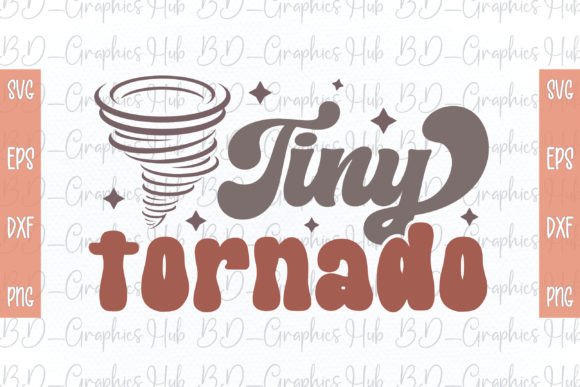
The moment you open the file, the retro vibe hits you. It isn’t just a generic storm cloud; there is a distinct personality in the curves and the color palette implied by the name. For an embroidery project, visual appeal starts long before the machine starts humming. It starts with the shape language. This design feels playful yet nostalgic, tapping into that mid-century modern aesthetic that remains incredibly popular in custom apparel and handmade products.
From a layout perspective, the composition is balanced. It doesn’t feel cluttered, which is a common pitfall in graphics intended for stitching. The negative space around the tornado allows the eye to rest, suggesting that when stitched, the focal point will be clear and impactful. It screams craft business potential—specifically for niches like boho home decor, nursery themes, or quirky streetwear brands. It’s not just a decoration; it’s a statement piece that invites conversation.
Real-World Application: The Tote Bag Scenario
To truly test a design, you have to imagine it on a product. Let’s talk about a real-life scenario: preparing a batch of custom embroidered tote bags for a local craft fair. I envisioned using Tiny Tornado Retro SVG as the central motif on a heavy canvas bag. Why? Because the sturdy fabric can handle the weight of the stitches without warping, and the bold graphic stands out against natural or dyed cotton.
When I mentally mapped this out, I considered the placement. A center-chest placement might feel too cramped for a large tote, so I leaned toward a slightly off-center left chest or a large pocket placement. The retro style pairs beautifully with earthy tones—mustard yellows, terracottas, and deep teals. If I were an Etsy seller, I would pair this design with a simple, clean font for a tagline, creating a cohesive brand look that feels professional and curated.
This same logic applies to other items. Imagine this on a slouchy sweatshirt for autumn, or perhaps on a kitchen towel for a housewarming gift. The versatility of the theme allows it to bridge the gap between functional goods and decorative art. It elevates a basic apron into a boutique item, increasing the perceived value of the finished product.
Technical Performance and Stitch Clarity
However, charm alone doesn’t make a successful embroidery file. We need to talk about execution. When converting or digitizing a vector like this, the transition from line art to thread is where things can go wrong. The success of Tiny Tornado Retro SVG in a hoop depends heavily on how the stitch density is managed.
If this is being used as a base for an applique design, the edges need to be crisp. A satin stitch along the perimeter must be tight enough to cover the raw edge of the fabric but not so dense that it pucks the material. For the internal details, a combination of fill stitch and running stitch works best to give texture without adding unnecessary bulk. If the design relies on tiny, intricate lines, those areas might become muddy if the thread count is too high. I always advise checking the zoom level in your embroidery software to ensure that fine details won’t disappear into a blob of thread.
Consider the thread colors. Retro palettes often involve pastels mixed with brights. On a dark fabric, light threads can sometimes struggle for visibility unless a backing stabilizer is used to prevent show-through. Conversely, on light fabric, dark outlines provide excellent definition. Testing these combinations in black-and-white mockups within your design software is a crucial step to verify contrast before cutting any fabric.
Where Caution Is Required
While this design is versatile, it is not foolproof. There are specific scenarios where Tiny Tornado Retro SVG might require careful handling:
- Small Hoop Sizes: If you are working with a 4x4 inch hoop, ensure the design fits comfortably with adequate margin. Crowding the edges can lead to trimming errors or uneven tension.
- Textured Fabrics: Avoid using this on highly textured materials like boucle or thick terry cloth. The needle may struggle to penetrate, or the stitches may sit unevenly on top of the nap, ruining the clean lines of the retro aesthetic.
- Stretchy Fabrics: Knits require a strong stabilizer, such as cut-away, to prevent distortion. Without proper support, the circular nature of the tornado could stretch out of shape during washing.
- Detailed Corners: If the design includes sharp angles or very thin lines, inspect them closely. These areas are prone to thread breaks or skipped stitches if the machine speed is too high.
Impact on Brand and Customer Trust
For the small shop owner, the quality of your embroidery directly correlates to customer trust. A sloppy stitch job signals amateurism, while a clean, precise application of Tiny Tornado Retro SVG signals professionalism. Customers are willing to pay a premium for handmade goods that look polished. They want to know that the item they are buying—a personalized gift for a baby shower, perhaps, or a unique embroidered patch for a denim jacket—is made with care.
This design also aids in marketing. Its distinctive retro style makes it highly "pin-able" and shareable on social media platforms. High-quality images of the finished product, showcasing the texture of the thread and the vibrancy of the colors, serve as powerful printable mockup assets. They help potential buyers visualize the item in their own lives, driving engagement and sales.
Practical Designer Notes for Success
Before you commit to a full production run, follow these practical steps to ensure satisfaction:
- Test on Scrap Fabric: Always run a test stitch on the exact fabric you plan to use. This reveals issues with tension, puckering, or color bleeding that aren't visible on paper.
- Check Stabilizer Choice: Match your stabilizer to your fabric weight. Light fabrics need lightweight tear-away or wash-away, while heavy canvases benefit from cut-away stability.
- Inspect Small Details: Zoom in on the smallest elements of the design. If they are too thin, consider simplifying them or increasing the stitch length for better durability.
- Confirm Licensing: As a responsible commercial embroidery practitioner, review the license agreement included in the ZIP folder. Ensure you have the right to sell physical items made with this design, especially if you are listing on Etsy or Amazon Handmade.
- Compare Backgrounds: Test the design on both light and dark backgrounds to see how the thread colors interact. Sometimes a color that looks great on white appears dull on navy blue.
Final Verdict
Tiny Tornado Retro SVG is a solid addition to any designer’s library. It offers a blend of nostalgia and modern appeal that resonates with current trends. While it requires standard precautions regarding fabric choice and stitch density, its potential for creating high-value personalized gifts and craft business inventory is undeniable. Whether you are making a one-off holiday embroidery piece or scaling up production for your digital product sellers audience, this design provides a reliable foundation for creative expression. Just remember: the magic happens in the preparation. Take your time, test thoroughly, and let the quality of your work speak for itself.