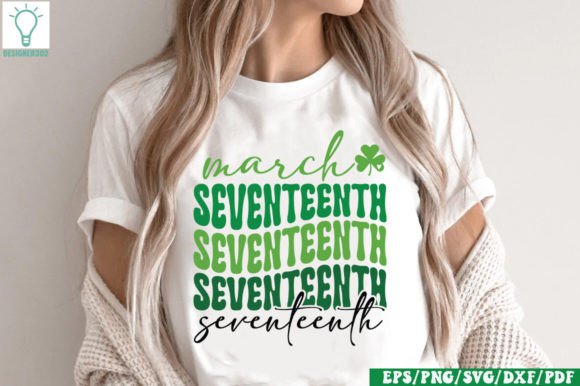
March Seventeenth Retro SVG Review
As a designer who spends half my life in embroidery software and the other half trying to sell handmade goods online, I don’t have time for designs that look good on screen but fall apart under the needle. When I first downloaded the March Seventeenth Retro SVG, I was looking for something with enough character to stand out in a crowded Etsy feed but simple enough to stitch quickly during a busy production run. St. Patrick’s Day is a high-volume holiday, and the margin for error is slim. You need designs that translate well from digital file to physical product without requiring hours of digitizing adjustments.
This bundle includes the SVG, DXF, PNG, EPS, and PDF formats in a zipped folder, which is a massive plus for versatility. Whether you are working in Cricut Design Space or Silhouette Designer Edition, having these assets ready means you aren't stuck waiting for conversions. But does it hold up as a serious machine embroidery design? Let’s break down how this embroidery file performs in real-world scenarios.
First Impressions: Mood and Visual Personality
The "Retro" descriptor in the title isn't just marketing fluff here. The design carries a distinct vintage energy that feels nostalgic rather than generic. In a market saturated with bright green shamrocks and cartoonish leprechauns, this design offers a more sophisticated, perhaps slightly grungy or distressed aesthetic. This mood immediately suggests specific use cases: it fits perfectly on heather grey sweatshirts, dark denim jackets, or muted linen tote bags. It doesn’t scream "cheap party favor"; it whispers "curated boutique item."
From a layout perspective, the shape and detail level strike a balance that many designers struggle to find. It has enough visual weight to be seen from across a room but retains clean lines that won’t get lost in the stitching process. For an Etsy seller or small business owner, this distinction is crucial. Customers today are looking for items that feel intentional and styled, not mass-produced. A retro-inspired theme allows you to position your products as timeless rather than fleeting seasonal decor.
Real-World Application: Where Does This Fit?
I put this design asset through its paces by imagining several common embroidery project types. Here is where I see the highest potential for success:
- Custom Apparel and Sweatshirt Embroidery: This is the strongest candidate. The retro vibe pairs exceptionally well with heavyweight cotton blends. Imagine a classic crewneck sweatshirt with this design centered on the chest or placed on the back. The contrast between the soft fabric texture and the crisp lines of the design creates a premium feel.
- Tote Bag Design: Canvas totes are a staple for craft fairs. Because the design is likely scalable (given the vector nature of the digital embroidery file), you can easily adjust the size to fit various bag dimensions. It works well as a standalone graphic on the front pocket or repeated along the side seams for a patterned effect.
- Baby Embroidery and Nursery Decor: While the retro style might lean slightly mature, softening the color palette can make it work for nursery wall art or baby blankets. However, for personalized gifts like baby clothes, you’ll want to ensure the details aren’t too sharp or aggressive for a young audience.
- Holiday Embroidery and Gifts: Beyond just March 17th, the vintage aesthetic gives it a longer shelf life. It can be marketed as a "Spring Equinox" or general botanical-themed item later in the year, giving you better ROI on your design purchase.
Technical Considerations and Stitching Clarity
When evaluating any graphics for embroidery, we have to talk about stitch density and detail. If the original vector contains tiny, intricate lines that rely on negative space, they may disappear when stitched. With the March Seventeenth Retro SVG, I recommend testing the design on scrap fabric first to check how the fill stitch and satin stitch areas interact.
If the design relies heavily on thin lines, consider converting those elements to running stitch or simplifying them before importing into your machine. Dense stitch areas can cause puckering, especially on lighter fabrics. Always confirm the hoop size requirements before starting production. If the design is large, ensure your machine’s hoop can accommodate it without needing to re-hoop, which risks misalignment.
Thread colors play a huge role in the final presentation. For a retro look, avoid overly neon greens. Instead, opt for muted olive, forest green, or even cream and gold combinations if you are doing multi-color work. Using proper stabilizer is non-negotiable; a cut-away stabilizer is best for stretchy fabrics like sweatshirts, while tear-away might suffice for stable canvas totes.
Where to Use Carefully
Not every surface is suitable for every design. There are specific situations where this embroidery project might struggle:
- Small Hoop Sizes: If the design includes fine details, shrinking it down to fit a small hoop (like 4x4 inches) might blur those details. Test at your smallest intended size first.
- Textured or Stretchy Fabrics: While sweatshirts are great, highly textured fabrics like heavy tweeds or very loose knits can distort the design. On stretchy materials, always use a strong stabilizer to prevent distortion during stitching.
- Curved Surfaces Like Caps: Embroidering on the curved front of a cap requires precision. If the design has straight, rigid lines, it might look warped on a curved brim. Check the alignment carefully.
- Dense Stitch Areas: Avoid placing dense fills over seams or pockets where the fabric is already thickened. This can lead to needle breaks or uneven tension.
Impact on Product Value and Brand Consistency
Using a cohesive, well-designed design asset like the March Seventeenth Retro SVG elevates your brand perception. When customers see a finished product that looks professionally executed, their trust in your shop increases. They assume that if the embroidery is good, the rest of the product quality is likely high as well.
For commercial embroidery projects, consistency is key. If you are building a line of St. Patrick’s Day merchandise, having a design that matches your existing aesthetic helps create a recognizable brand identity. This design’s retro flair allows you to tap into current trends while maintaining a unique voice. It encourages buyer engagement because customers often comment on the "vibe" of a design, leading to social shares and word-of-mouth marketing.
Practical Designer Notes Before You Stitch
Before you rush into production, keep these practical tips in mind:
- Test in Black and White: Convert your design to black and white in your software to check contrast. If the shapes merge together in grayscale, they will likely look muddy in color.
- Inspect Small Details: Zoom in on the vector file. Are there tiny corners that might not digitize well? Simplify if necessary.
- Confirm Licensing: This is critical for Etsy sellers and craft business owners. Ensure you have the correct license to sell finished products made from this embroidery file. Some licenses restrict commercial use or require attribution.
- Compare Light and Dark Backgrounds: Mock up the design on both light and dark fabrics. A design that pops on white might vanish on black unless you adjust thread colors.
- Check for Applique Options: If the design lends itself to applique, consider using applique design techniques for a cleaner look on stretchy fabrics, reducing the risk of puckering.
In conclusion, the March Seventeenth Retro SVG is a versatile, stylish addition to any designer’s library. It bridges the gap between festive holiday cheer and timeless vintage appeal. By paying attention to stitch density, fabric choice, and licensing, you can turn this graphics file into a profitable, high-quality handmade product that resonates with customers long after the holiday passes.