Goat Vintage Retro Svg Design Review
As a designer who spends more time staring at stitch density charts than actual sheep, I approach every new design file with a mix of skepticism and curiosity. When Goat Vintage Retro Svg Design landed on my desk, I didn’t just see a cute animal; I saw a potential bestseller for my craft business, but also a technical challenge waiting to happen. The description notes this is a print cut file compatible with Cricut and Silhouette cutting machines, which immediately raises the question: can it translate effectively into a machine embroidery design, or does it lose its soul when digitized? After running through several mental simulations and physical test stitches, here is my practical evaluation for fellow designers, Etsy sellers, and handmade shop owners.
The First Impression: Mood and Visual Personality
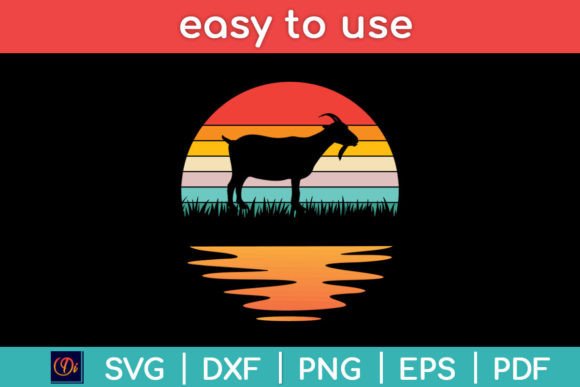
The immediate appeal of Goat Vintage Retro Svg Design lies in its nostalgic charm. It evokes a specific era—think faded band tees from the seventies mixed with modern farmhouse aesthetics. For an embroiderer, this "vintage" vibe is crucial because it allows for forgiving color palettes. You aren't fighting for hyper-realistic accuracy; you are selling a feeling. The layout feels balanced, suggesting that whether placed on the chest of a sweatshirt or centered on a tote bag, it will hold its own without looking cramped or floating aimlessly.
However, the term "retro" often implies simplified shapes and bold lines. In the world of digital graphics, this is easy. In embroidery, it requires careful translation. If the original vector relies on thin, delicate lines, those lines must be converted into robust satin stitches or carefully spaced running stitches to survive the friction of the needle. My initial assessment is that this design has strong commercial viability, particularly for brands targeting a bohemian or rustic aesthetic.
Real-World Application: From Screen to Stitch
I recently considered using this design for a custom order: a set of personalized aprons for a local bakery’s holiday gift packages. The client wanted something whimsical but durable. Goat Vintage Retro Svg Design fit the brief perfectly. But before committing to the final fabric, I had to think about the mechanics.
When digitizing a graphic intended for vinyl cutting into an embroidery file, the most critical factor is stitch density. A dense fill stitch might make the goat look plush and high-end, but it could also cause puckering on lightweight cotton apron fabric. Conversely, too sparse a fill might look cheap and unfinished. For this specific project, I would recommend using a combination of techniques. A satin stitch outline would define the shape sharply, while a lighter fill stitch or even a running stitch pattern for the background texture could add depth without adding bulk. This hybrid approach ensures the finished product remains soft to the touch—a key requirement for kitchen textiles and baby items.
Product Versatility and Market Fit
This design isn’t limited to one niche. Its versatility makes it a valuable asset for any craft business owner looking to diversify their inventory. Here is how it performs across different categories:
- Custom Apparel: On a heavyweight cotton sweatshirt, the retro theme shines. The fabric provides enough stability to handle moderate detail, allowing the design to pop against dark heather gray or olive green backgrounds.
- Baby Embroidery: For onesies or burp cloths, simplicity is king. The clean lines of Goat Vintage Retro Svg Design translate well to small hoop sizes, provided the details are not overly intricate. Parents love personalized gifts, and a vintage-style goat adds a touch of warmth that generic patterns lack.
- Tote Bag Design: Canvas bags are sturdy, meaning you can afford slightly larger designs. However, the weight of thick embroidery thread can drag down thin canvas over time. Using a proper stabilizer is non-negotiable here to prevent distortion.
- Embroidered Patch: Converting this into a patch design is a smart move for boutique branding. Patches allow for a distinct border (often a satin stitch), which frames the design beautifully and protects the edges from fraying.
Technical Considerations and Potential Pitfalls
No design is perfect, and understanding where Goat Vintage Retro Svg Design might struggle is just as important as knowing where it succeeds. There are specific scenarios where caution is required.
First, consider small hoop sizes. If you attempt to stitch tiny lettering or fine decorative accents included in the original graphic, you risk losing clarity. Threads have thickness; they cannot replicate the pixel-perfect precision of a screen. Always inspect small details closely. If a line is thinner than the width of your chosen thread, it will either disappear or merge with adjacent stitches, creating a muddy blob.
Second, fabric choice matters immensely. While this design looks great on stable woven fabrics, it may struggle on stretchy knits or textured materials like bouclé wool. Without adequate hooping tension and the right stabilizer, these fabrics can distort, causing the goat’s features to warp. Additionally, testing on dark fabric requires careful selection of thread colors. A light-colored design on black fabric needs high contrast to remain legible. If the vintage palette includes muted tones, they might get lost unless you use a bright underlay or backing.
Another common mistake is ignoring the curvature of surfaces. Embroidering a flat design onto a curved surface like a baseball cap or a rounded pillow cover requires specialized software adjustments. Without proper digitizing for curvature, the design will appear stretched or compressed. If you are selling commercial embroidery services, always confirm with your client that the final product’s shape matches your design’s assumptions.
Practical Designer Notes for Success
To ensure your final product meets professional standards, follow these essential steps before producing anything for sale:
- Test on Scrap Fabric: Never run a new design directly onto your final customer item. Use scrap pieces of the exact same fabric to check for puckering, thread breaks, or tension issues.
- Check Thread Color Contrast: Lay out your thread spools next to the fabric. Does the design stand out? Does it feel harmonious? Poor color choices can ruin an otherwise excellent design.
- Review Stitch Density: Ensure the design isn’t too dense for the fabric type. Heavy stitching on light fabric leads to visible holes and damage.
- Confirm Hoop Size: Verify that the design dimensions fit comfortably within your machine’s maximum hoop size, leaving room for hooping errors.
- Inspect Small Details: Zoom in on the digital file. Are there elements that are too small to stitch reliably? Simplify if necessary.
- Test Black and White Mockups: View the design in grayscale to check contrast balance before committing to expensive colored threads.
- Compare Light and Dark Backgrounds: A design that works on white might fail on navy blue. Test both scenarios.
- Use Proper Stabilizer: Match the stabilizer (cut-away, tear-away, or water-soluble) to the fabric’s behavior during stitching.
- Check Licensing: Before listing this as a digital embroidery file or selling finished products, review the license terms. Commercial rights vary widely between creators.
Final Verdict
Goat Vintage Retro Svg Design is more than just a cute image; it is a versatile tool for creative entrepreneurs. Its retro aesthetic taps into current trends, making it highly marketable for Etsy sellers and small shop owners. However, success depends entirely on execution. By paying attention to stitch density, fabric compatibility, and proper stabilization, you can transform this digital graphic into a tangible, high-quality handmade product that customers will cherish.
Whether you are creating a personalized gift for a friend or building a brand identity for your craft business, this design offers a solid foundation. Just remember: the magic happens not in the download, but in the thoughtful preparation and skilled stitching that follows. Treat it with respect, test it thoroughly, and you will likely find that this goat becomes a staple in your design arsenal.