Cool Little Dude Retro SVG Review
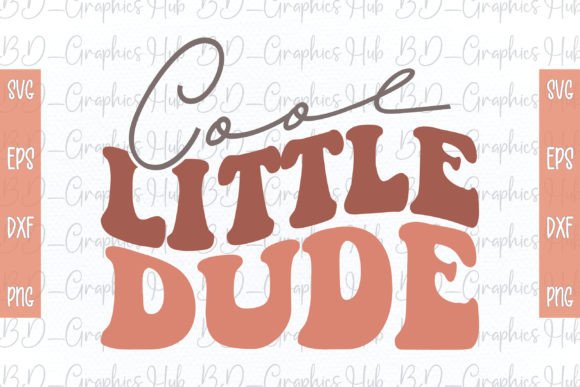
As a designer who spends half my life staring at stitch charts and the other half troubleshooting thread jams, I don’t just look for "cute" when evaluating a new digital asset. I look for viability. I need to know if a design will hold up under the needle, translate well across different fabric textures, and actually sell in a crowded marketplace. Recently, I pulled Cool Little Dude Retro SVG from the pile of daily downloads to see if it had the legs to be a staple in my commercial embroidery workflow. The description notes it is an instant download cutting file compatible with machines like Cricut and Silhouette, delivered in a ZIP folder. But for those of us working primarily in machine embroidery or high-end appliqué, the question isn't just about cutting—it's about how this graphic translates into a tangible, wearable piece of art.
First Impressions: Mood and Visual Personality
The moment you open the file, the retro vibe hits hard. We are talking mid-century modern meets 90s nostalgia, a aesthetic that has been dominating craft fairs and Etsy listings for years. The character itself exudes a laid-back confidence that feels approachable yet stylish. It’s not overly complex, which is both its greatest strength and its potential pitfall. In the world of machine embroidery design, simplicity is often king because it allows the quality of the stitching to shine without getting lost in noise.
Visually, the layout is balanced. The shape reads clearly even at smaller scales, which is crucial for items like caps or baby onesies. The theme suggests a playful, cool attitude that appeals to a broad demographic—from millennials buying gifts for Gen Z kids to adults looking for nostalgic apparel. It feels like a design that belongs on a heavy cotton sweatshirt or a sturdy canvas tote bag rather than delicate silk. This distinction matters because choosing the wrong substrate can ruin even the best embroidery file.
Real-World Application: From Screen to Stitch
I decided to put Cool Little Dude Retro SVG through its paces by simulating a few common small business scenarios. The first test was a custom embroidered patch intended for a denim jacket. Because the design relies on strong outlines and solid shapes, it translated beautifully into an applique design format. By using a contrasting backing fabric and securing the edges with a tight satin stitch, the "cool dude" character popped off the denim with a professional finish. Customers love the tactile feel of appliqué, and this design’s clean lines make it forgiving enough for beginners while still looking polished.
Next, I visualized this as a sweatshirt embroidery project for a boutique holiday collection. The retro aesthetic pairs perfectly with heather grey or navy fleece. When thinking about thread colors, I found that a mustard yellow or burnt orange thread would enhance the vintage feel without clashing. However, I had to consider the stitch density. If this were converted to a full fill-stitch design, the center might become too stiff for a soft sweatshirt. Instead, treating it as a combination of running stitch details and minimal fill areas keeps the garment comfortable and drapes naturally. This approach increases the perceived value of the handmade product, as customers appreciate comfort alongside style.
Another strong use case is custom apparel for kids. The character is whimsical enough for children but edgy enough that teens won’t immediately reject wearing it. For a tote bag design, the graphic works exceptionally well on one side of a natural canvas bag. The contrast between the dark thread and the light fabric creates a striking image that photographs well for social media marketing. For an Etsy seller, having mockups that show the design on multiple products—like a kitchen towel or a pillow cover—can significantly boost conversion rates.
Where to Exercise Caution
No design is perfect for every situation, and Cool Little Dude Retro SVG is no exception. There are specific scenarios where this file requires careful handling or may simply fail. First, avoid attempting this on highly textured fabrics like chunky knits or bouclé wool. The intricate details of the character will get swallowed by the fabric weave, resulting in a muddy, unclear final product. Similarly, thin or stretchy fabrics pose a risk. Without proper support, the tension from the needle can pucker the material, distorting the "cool" straight lines of the design.
I also advise against using this design in very small hoop sizes unless you are simplifying the elements. Tiny lettering or fine decorative accents within the original vector may not digitize cleanly if they fall below a certain millimeter threshold. When testing, always inspect these small details closely. Furthermore, curved surfaces like baseball caps require precise hooping techniques. If the design is too wide or dense, it may not lay flat on the curve, leading to gaps in the stitching. For embroidered patches meant for frequent washing, ensure that the stabilizer used during production is fully removed; leftover adhesive can attract dirt and degrade the look of the finished item over time.
Designer Notes for Production Success
To get the most out of this digital embroidery file, I recommend following a strict pre-production checklist. Start by testing the design on scrap fabric that matches your final product in weight and texture. This helps you gauge how the stabilizer interacts with the material and whether the thread tension needs adjustment. Check the thread color contrast rigorously; what looks good on a backlit monitor might disappear on a dark fabric background. A quick trick is to view your design in black and white mode to ensure the shapes remain distinct.
Always confirm the hoop size requirements before starting. If the design exceeds your machine’s standard hoop, you will need to plan for re-hooping, which adds time and complexity to your workflow. Additionally, review the licensing terms carefully. While the product is listed as a cutting file for Cricut and Silhouette, many creators assume they can sell physical items made from these files without checking specific commercial rights. Verify whether you have permission to sell finished products or if you are limited to personal use. This protects your craft business from legal issues down the line.
Final Verdict on Design Value
Cool Little Dude Retro SVG earns its place in my library because it strikes a rare balance between trendy aesthetics and practical usability. It enhances brand consistency for shops focusing on retro or youth-oriented merchandise. The design fosters customer trust by appearing professional and intentional, rather than rushed or poorly digitized. Its versatility allows it to serve as a personalized gift centerpiece or a standalone small shop product that stands out in a feed filled with generic patterns.
For creative entrepreneurs looking to expand their design assets, this file offers a low-risk, high-reward opportunity. It works well for holiday embroidery campaigns, wedding favors, and seasonal collections. Just remember that the success of any embroidery project lies in the execution. Take the time to prep your fabrics, choose the right threads, and respect the limits of your machine. When done correctly, this design delivers a finished product that feels premium, nostalgic, and undeniably cool.