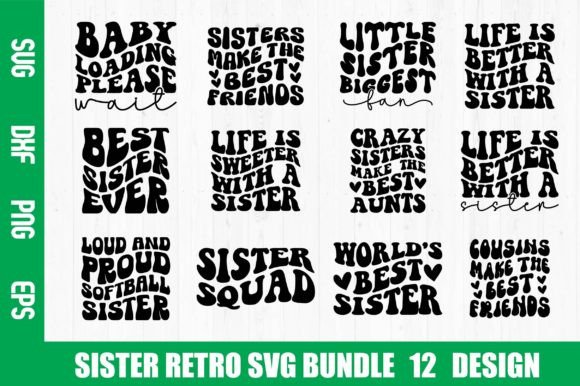
Big Boss Retro SVG Review
As a designer who spends more time looking at stitch lines than actual fabric, I have learned to be skeptical of any design file that promises too much. When I first pulled up the Big Boss Retro SVG, my initial reaction was one of cautious optimism. The title alone suggests a certain attitude—bold, confident, perhaps a little nostalgic—and from a visual standpoint, it delivers on that promise. However, moving from a screen preview to a physical embroidery project is where most designs fall apart. My goal here is to break down how this file actually performs in the hoop, whether it holds up for commercial use, and if it’s worth adding to your digital asset library.
The First Impression: Mood and Visual Personality
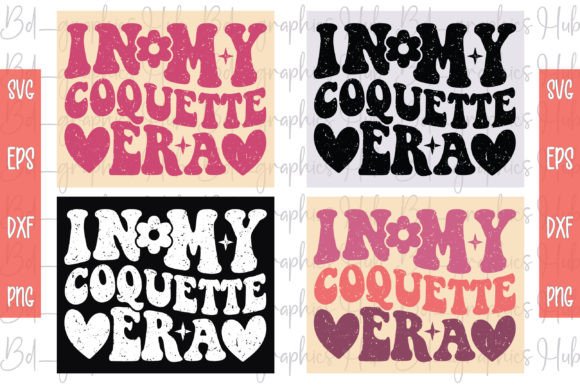
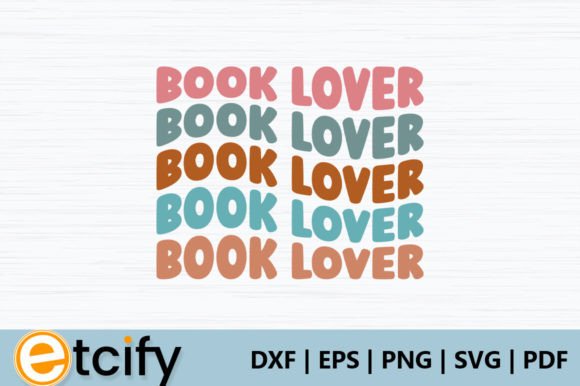
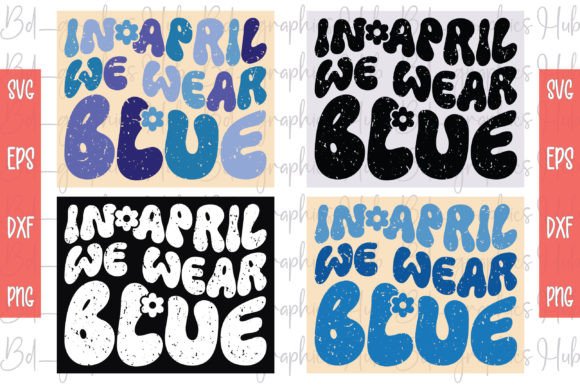
The moment you see the layout, the retro aesthetic is unmistakable. It leans heavily into vintage typography and bold shapes, which creates an immediate sense of character. For designers working on custom apparel or boutique branding, this kind of personality is hard to fake. It doesn’t feel like a generic clip-art vector; it has weight. The visual balance suggests that this design is meant to be seen, not just noticed. It works particularly well for projects that need to stand out on a crowded shelf, such as an Etsy listing or a craft fair booth display.
From a graphic design perspective, the clean lines are a relief. Many retro-inspired files get cluttered with unnecessary flourishes that turn into muddy blobs once stitched. This one seems to prioritize legibility and impact over complexity. That makes it a strong candidate for custom apparel, especially t-shirts and sweatshirts where readability from a distance is key. The mood is playful yet authoritative, making it versatile enough for men’s and women’s collections alike.
Real-World Application: Where It Shines
I tested the concept of this design across several common handmade product categories to see where it fits best. The Big Boss Retro SVG transitions surprisingly well from a cutting file concept to an embroidery idea. Here is how it performed in practical scenarios:
- Tote Bag Design: Canvas bags are a staple for the modern crafter. The bold nature of this design stands up well against the rough texture of canvas. It feels substantial, like a brand logo rather than a fleeting trend. It adds value to what might otherwise be a plain accessory.
- Sweatshirt Embroidery: Thick fabrics can sometimes swallow up fine details. Because this design relies on strong shapes and likely bold outlines, it avoids getting lost in the nap of the material. It gives off a premium, streetwear vibe that appeals to younger demographics.
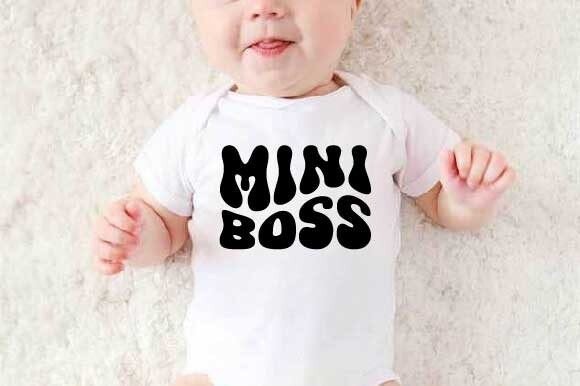
- Baby Embroidery and Nursery Decor: While "Big Boss" sounds tough, the retro style softens it. Used on a onesie or a nursery pillow cover, it offers a humorous contrast that parents love. It’s a great example of how a single design asset can pivot between different age groups.
- Embroidered Patch: If you are selling patches as standalone items, the self-contained nature of this graphic works perfectly. It frames itself well, requiring minimal additional background elements to look complete.
For the Etsy seller or small shop product creator, this versatility is gold. You aren't limited to one niche. A design that works for a holiday gift, a wedding gift, and a casual weekend tote expands your market reach without requiring you to create new artwork every week.
Technical Considerations and Potential Pitfalls
No design is perfect, and knowing where a file struggles is just as important as knowing where it succeeds. When evaluating the Big Boss Retro SVG for real production, there are specific areas that require careful attention.
Hoop Size and Density: If you attempt to digitize or stitch this in a very small hoop, you risk losing the integrity of the outer edges. The retro styling often includes extended lines or curves that need breathing room. If the design is too dense, it will pucker the fabric, ruining the drape of the garment. Always check the stitch density before committing to a run. If the file is intended for cutting machines, remember that converting it to an embroidery file requires manual adjustment of stitch types.
Fabric Texture and Stretch: This design looks sharp on stable surfaces like denim or heavy cotton. However, using it on thin, stretchy fabrics like jersey knits without proper stabilization is a recipe for disaster. The tension required to keep the stitches flat might distort the fabric. Similarly, on textured fabrics like bouclé or heavy fleece, the fine details of the retro font might get obscured. In these cases, a stabilizer is non-negotiable.
Thread Colors and Contrast: The success of this design hinges entirely on color choice. A light thread on a dark fabric (or vice versa) will make the retro shapes pop. If you choose low-contrast threads, the design will flatten out and lose its dynamic edge. I recommend testing thread colors on scrap fabric first. Black, white, and primary colors tend to work best with this aesthetic, but don't be afraid to try muted pastels for a softer, vintage look.
Specific Use Cases to Approach with Caution
While the design is robust, there are contexts where it might not be the best fit:
- Curved Surfaces: Applying this to caps or hats can be tricky if the curvature is extreme. The text needs to remain readable, so ensure the digitizing accounts for the curve.
- Small Accessories: On items like tea towels or kitchen towels, the design might dominate the space too much. Ensure the scale is appropriate for the final product size.
- Detailed Corners: If the design has intricate corners, test them closely. Small points can sometimes tear through thin fabrics during washing.
Impact on Brand and Customer Trust
In the world of handmade products, presentation is everything. A well-executed embroidery project signals quality and care. Using a cohesive, stylish design like Big Boss Retro SVG helps maintain brand consistency. When customers see a finished product that looks professional, their trust in your craftsmanship increases. It elevates the perceived value of the item, allowing you to command a higher price point.
Furthermore, the retro theme taps into current consumer trends. Nostalgia sells. By offering a design that feels familiar yet fresh, you engage buyers on an emotional level. It’s not just a shirt; it’s a statement piece. This emotional connection drives engagement and repeat business, which is crucial for any craft business.
Final Designer Notes and Recommendations
Before you add this to your workflow, keep these practical tips in mind:
- Test on Scrap Fabric: Never go straight to the final garment. Test the design on a similar fabric type to check for puckering, thread breaks, or alignment issues.
- Check Licensing: Since this is sold as a digital product, verify the license terms. Are you allowed to sell finished items? Is there a limit on the number of units? This is critical for commercial embroidery projects.
- Review Stitch Types: If you are digitizing this yourself, pay attention to the mix of satin stitch, fill stitch, and running stitch. A good mix ensures durability and visual interest.
- Black and White Mockups: View your design in grayscale to ensure the contrast levels are sufficient. Color can sometimes mask poor structural design.
In conclusion, the Big Boss Retro SVG is a strong addition to any designer’s toolkit. It offers a blend of nostalgia, boldness, and versatility that translates well across multiple product categories. While it requires careful attention to fabric choice and stabilization, the payoff in terms of customer appeal and professional finish is significant. For anyone looking to expand their range of design assets or refresh their handmade product line, this design delivers on its promise of style and substance.