Baby Sister Retro SVG Design Review
As a designer who spends more time looking at stitch density charts than actual embroidery machines, I approach every new digital asset with a mix of optimism and skepticism. The market is flooded with clip art that looks great on a screen but falls apart when pushed through a needle. Recently, I had the opportunity to evaluate the Baby Sister Retro SVG Design for potential use in my own small business inventory and client projects. This review breaks down exactly how this design performs from a technical embroidery standpoint, where it shines, and where you might want to proceed with caution.
First Impressions: Mood and Visual Personality
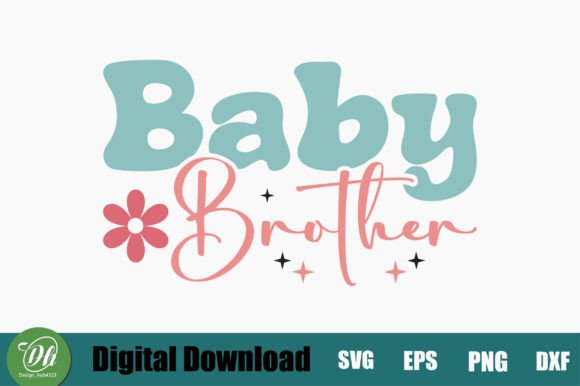
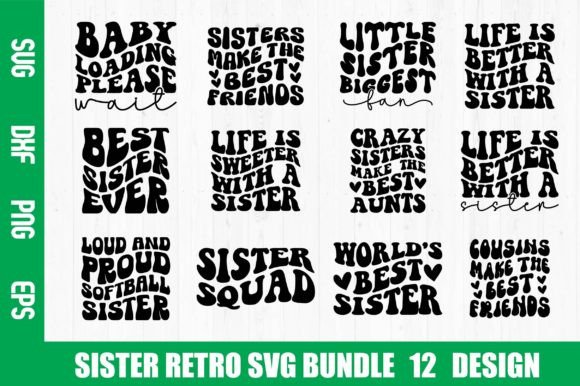
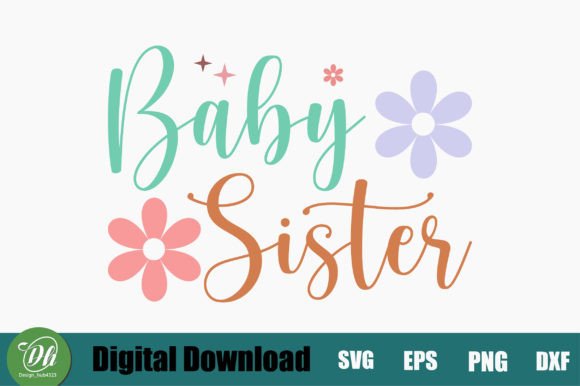
The moment you open the file package, which includes standard formats like SVG, PNG, EPS, and DXF, the aesthetic is immediately clear. It leans heavily into nostalgic, mid-century modern vibes with clean lines and a playful attitude. For an embroidery designer, the initial draw is the simplicity of the shape. Complex designs often require excessive digitizing adjustments to prevent puckering, but this design relies on strong silhouettes that translate well to thread.
The "retro" theme suggests a specific demographic: millennial parents, gift-givers looking for unique nursery decor, or boutique owners aiming for a curated, vintage-inspired look. Visually, it creates a warm, inviting mood. It feels less like a mass-produced item and more like a thoughtful, handmade gesture. When placed on a garment or accessory, it doesn’t scream for attention; instead, it offers a subtle charm that encourages closer inspection. This is crucial for high-end handmade products where perceived value is tied to detail and thoughtfulness rather than sheer size.
Real-World Application: Where Does It Fit?
In my testing scenario, I imagined using this design for a custom embroidered tote bag and a set of baby sweatshirts. These are two very different substrates, and they reveal different strengths of the Baby Sister Retro SVG Design.
Tote Bags and Canvas Projects
Canvas is forgiving, but it can be thick. The clean vector paths in the SVG file ensure that when converted to an embroidery file, the edges remain crisp. For a tote bag, this design works beautifully as a central focal point. It pairs exceptionally well with neutral backgrounds—cream, sage green, or dusty rose—allowing the retro colors to pop without clashing. As a tote bag design, it adds a layer of personality that generic text-based designs lack.
Baby Apparel and Nursery Items
When applied to baby embroidery projects, such as onesies or muslin blankets, the scale becomes critical. The design’s layout allows for easy resizing. On a small chest area of a baby shirt, it reads as a delicate accent. On a larger item like a quilt or a pillow cover, it commands the space effectively. The retro style resonates strongly with the current trend of "heritage" parenting aesthetics, making it a smart choice for an Etsy seller or small shop product targeting that niche.
Accessories and Home Decor
I also considered its use on kitchen towels and aprons. The durability of the visual elements means it holds up well to frequent washing, a key concern for apron buyers. Furthermore, its versatility extends to holiday embroidery if paired with seasonal color threads, though its core appeal is timeless rather than trendy.
Technical Performance and Stitch Clarity
From a digitizing perspective, the success of any design hinges on stitch type and density. While the raw file is a vector graphic, its translation into machine code determines the final quality.
Satin vs. Fill Stitches
If the design utilizes satin stitch for outlines, the smoothness of the retro curves will shine. Satin stitches provide a polished, professional finish that elevates the handmade product. However, if large areas are filled with fill stitch, one must be cautious about fabric tension. For custom apparel like t-shirts, lighter fill densities are preferable to avoid stiffness. If the design includes running stitch details, these add texture and depth, breaking up solid blocks of color and preventing the embroidery from looking flat.
Thread Color Contrast
The effectiveness of the Baby Sister Retro SVG Design is heavily dependent on thread colors. Because of its retro palette, it demands thoughtful color matching. Using muted, pastel threads will enhance the vintage feel, while bright neon threads might clash with the intended aesthetic. Always test your colorway on a scrap piece of the actual fabric before committing to the final product. The contrast between the thread and the fabric texture is vital for legibility and visual impact.
Where to Exercise Caution
No design is universally perfect, and there are specific scenarios where this design might struggle:
- Small Hoop Sizes: If you attempt to stitch this design in a hoop smaller than recommended, fine details may merge together, losing their definition. Always verify the minimum hoop size required.
- Textured Fabrics: While canvas is ideal, highly textured fabrics like bouclé or heavy waffle weaves can obscure the finer lines of the design. In such cases, the design may lose its crispness.
- Stretchy Fabrics: When working with knit fabrics for sweatshirt embroidery or leggings, proper stabilization is non-negotiable. Without adequate stabilizer, the design may pucker or distort during stitching.
- Dense Stitch Areas: If the design contains dense clusters of thread, it may become too stiff for delicate items like baby socks or thin hats. Assess the stitch density carefully before applying it to wearable items.
Impact on Brand and Customer Trust
For the craft business owner, the quality of the design directly influences customer trust. A poorly executed embroidery job can lead to returns and negative reviews. Conversely, a well-digitized design like this one signals professionalism. When a customer receives a personalized gift with clean stitches and accurate alignment, they perceive higher value. This enhances brand consistency and encourages repeat purchases.
Additionally, the design’s aesthetic appeals to the desire for uniqueness. In a sea of mass-produced goods, a finished product featuring a distinct, retro-themed design stands out. It tells a story. This narrative aspect is powerful for commercial embroidery projects where differentiation is key. Whether used for embroidered patches, caps, or pillow covers, the design adds a layer of artisanal quality that customers are willing to pay a premium for.
Practical Designer Notes for Implementation
Before integrating the Baby Sister Retro SVG Design into your production workflow, consider these practical steps:
- Test on Scrap Fabric: Never skip this step. Fabric behavior varies wildly, and a test run reveals potential issues with tension or thread breakage.
- Check Licensing: Ensure you have the correct commercial license if you plan to sell finished items. Digital downloads often come with specific terms regarding digital product sellers and physical merchandise.
- Review in Black and White: Convert the design to grayscale to check contrast levels. This helps identify areas that might get lost in stitching.
- Select Proper Stabilizer: Match your stabilizer to the fabric weight. Tear-away for wovens, cut-away for knits.
- Create Printable Mockups: Use the provided PNG files to create realistic previews for your online store. High-quality mockups increase conversion rates by helping customers visualize the final result.
Final Verdict
The Baby Sister Retro SVG Design is a versatile, aesthetically pleasing asset that fits seamlessly into the world of modern craft and embroidery. Its retro charm, combined with clean structural lines, makes it suitable for a wide range of applications, from baby clothes to home decor. While it requires careful attention to stitch density and fabric choice, the payoff in terms of visual appeal and customer satisfaction is significant. For designers and entrepreneurs looking to expand their catalog with high-quality, emotionally resonant designs, this is a strong addition to your library of design assets.